Understanding the Cost of Lizard Removals
The cost of lizard removals varies based on several factors, including the extent of infestation, location, and the complexity of removal methods. Accurate budgeting requires consideration of these elements to ensure effective and efficient service delivery.
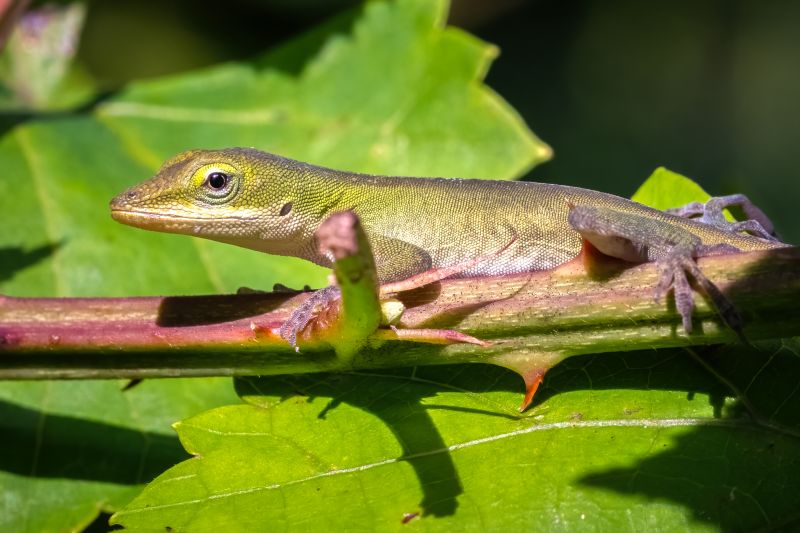
Lizard populations ranging from minor sightings to large colonies influence removal costs significantly.
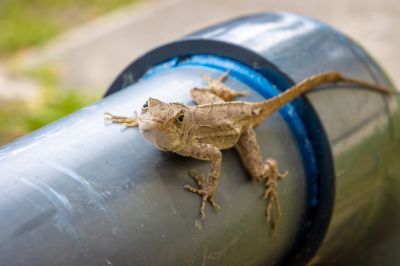
Urban versus rural settings, accessibility, and property size impact the overall expense of removal services.
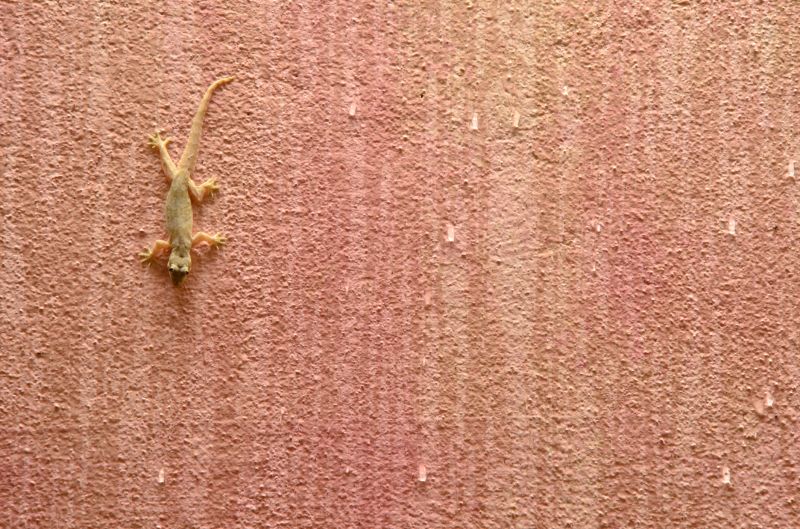
Use of traps, exclusion techniques, or chemical treatments can vary in cost depending on the approach required.
| Factor | Impact on Cost |
|---|---|
| Severity of Infestation | Higher infestation levels increase costs due to extended treatment time. |
| Property Size | Larger properties require more resources, raising overall expenses. |
| Access Difficulty | Hard-to-reach areas may necessitate specialized equipment, adding to costs. |
| Type of Removal Method | Chemical treatments tend to be more expensive than trapping or exclusion. |
| Location | Urban areas might have higher service fees compared to rural locations. |
| Urgency of Service | Immediate or emergency removals often incur premium charges. |
| Frequency of Service | Repeated visits or maintenance treatments can increase total costs. |
| Additional Services | Repairs or modifications to prevent future infestations may add to the cost. |
The cost of lizard removal services can vary widely based on the specific circumstances of each property. Smaller infestations in accessible areas may cost less, while extensive colonies in hard-to-reach locations can significantly increase expenses. It is advisable to assess the extent of the problem and consult with specialists to obtain an accurate estimate tailored to the property's unique needs.
Factors such as the type of removal method chosen and the urgency of the service also influence pricing. Chemical treatments, although effective, tend to be more costly than trapping or exclusion techniques. Additionally, properties requiring immediate attention or multiple visits will typically incur higher charges, emphasizing the importance of early intervention to manage costs effectively.
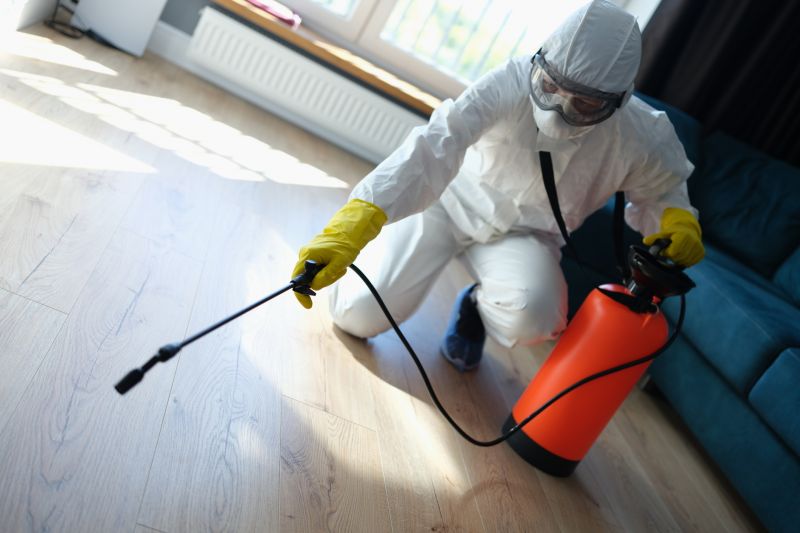
Sealing entry points and installing barriers are crucial steps that impact the overall removal cost.
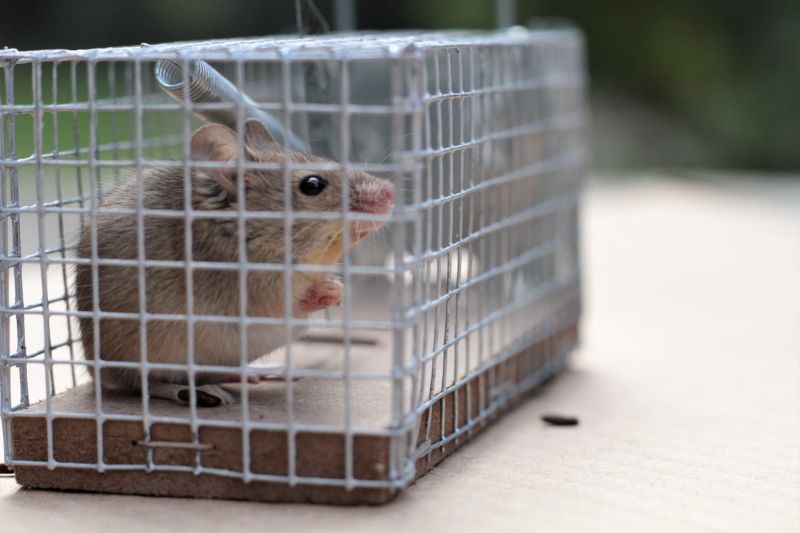
Placement and type of traps used inside or outside influence the service pricing.
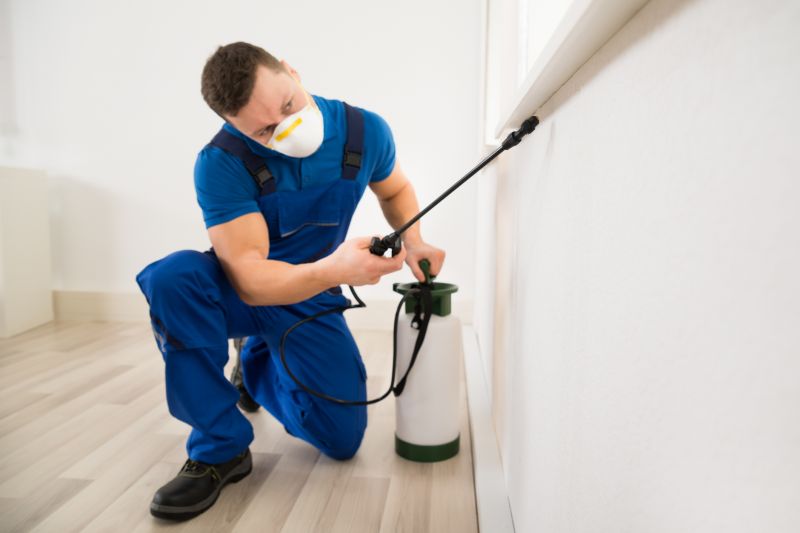
Application of chemical barriers or repellents varies in cost based on area size and complexity.
| Service Type | Average Cost Range |
|---|---|
| Basic Lizard Removal | $150 - $300 |
| Exclusion and Barrier Installation | $200 - $500 |
| Chemical Treatments | $250 - $600 |
| Lizard Trapping | $100 - $250 |
| Property Inspection | $100 - $200 |
| Follow-up Treatments | $100 - $400 |
| Structural Repairs for Prevention | $300 - $1,000 |
| Emergency Removal Services | $300 - $700 |
| Long-term Prevention Plans | $500 - $1,500 |
| Integrated Pest Management | $400 - $1,200 |