Health Risks Associated With Wildlife Living in or Around Your Home
To reduce health risks associated with wildlife living in or around your home, local service providers can safely remove animals and prevent future infestations.
Understanding the health risks associated with wildlife living in or around your home is an important step for property owners in the area. Animals such as raccoons, squirrels, bats, and birds often seek shelter in attics, crawl spaces, or wall cavities, but their presence can introduce various health hazards. These risks include the spread of parasites, bacteria, and diseases that can pose serious concerns for residents, especially those with young children or immune-compromised individuals. Recognizing the signs of wildlife intrusion and knowing how to address potential health threats can help protect the well-being of everyone on the property.
For property owners considering wildlife removal, enlisting the help of experienced service providers can be a practical solution. Local contractors who specialize in wildlife removal understand the importance of safely and effectively handling these situations, reducing the likelihood of ongoing health issues. They can assess the extent of the problem, safely remove animals, and implement exclusion methods to prevent future visits. Exploring these services can provide peace of mind, knowing that health risks associated with wildlife living in or around a home are being addressed professionally and responsibly.
- Wildlife exclusion - local contractors can identify entry points that allow animals to live in or around your home, reducing potential health risks associated with wildlife living in or around your home.
- Bat removal - professionals safely remove bats to prevent the spread of diseases and other health risks associated with wildlife living in or around your home.
- Rodent proofing - local service providers can seal gaps and eliminate nesting sites to minimize health risks caused by rodents in or around the home.
- Bird control - experts can remove bird infestations and prevent future nesting, helping to reduce the health risks associated with wildlife living in or around your home.
- Wildlife cleanup - specialists handle the safe removal of animal droppings and carcasses to address health risks associated with wildlife living in or around your home.
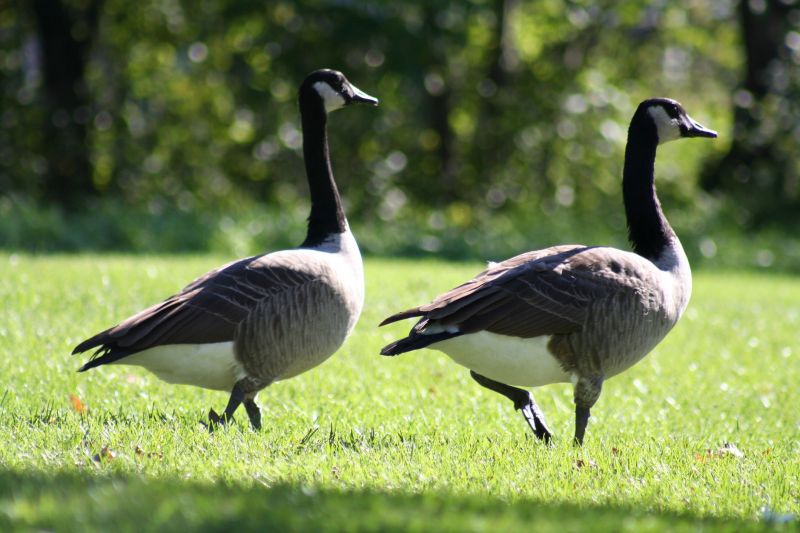
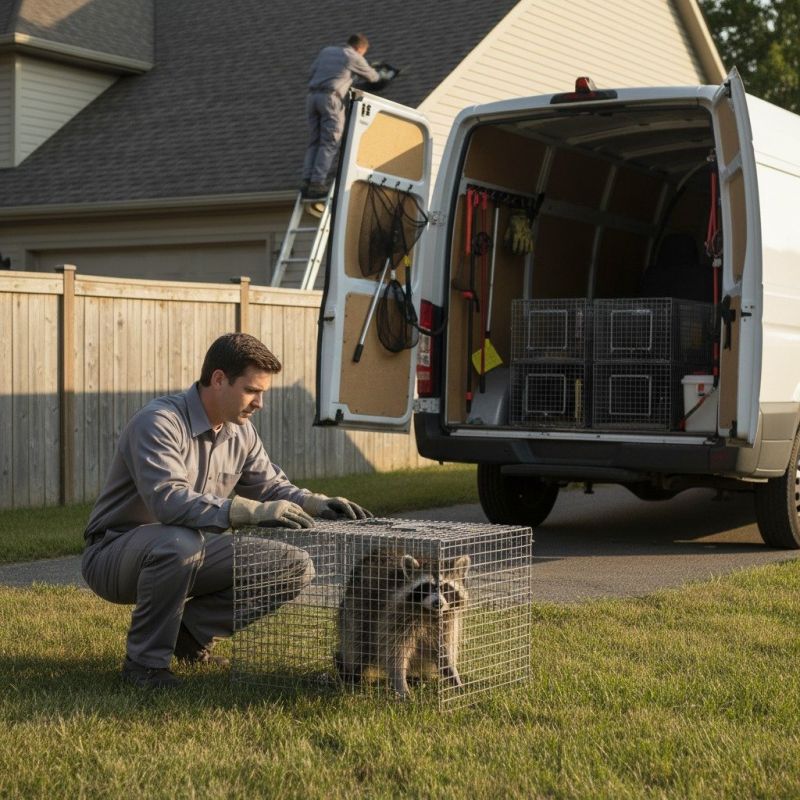
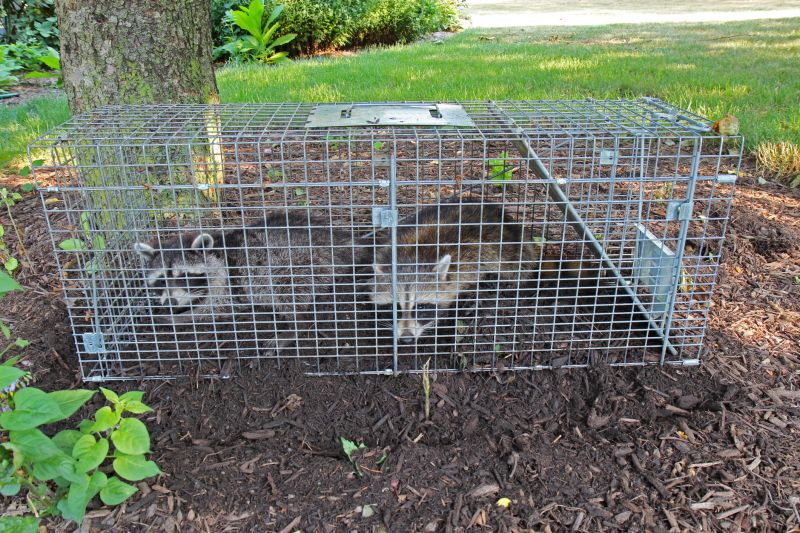
When homeowners search for information about health risks associated with wildlife living in or around their homes, they are often concerned about the potential dangers posed by animals that have made their property a habitat. This interest typically stems from noticing signs of wildlife activity, such as droppings, nesting materials, or noises coming from attics, walls, or outdoor structures. People want to understand how these animals might impact their health and what steps are necessary to address any hazards. The focus is usually on identifying specific risks, such as disease transmission or structural damage, and finding reliable ways to eliminate the animals safely and effectively.
These concerns are directly related to problems like rodent infestations, raccoon or squirrel nesting, bat colonies in attics, or bird roosts in eaves and gutters. Many property owners plan to remove or exclude wildlife to prevent health issues and protect their homes. Wildlife living in or around a residence can carry a variety of pathogens, parasites, or bacteria that may be transmitted to humans or pets. For example, rodent droppings can harbor bacteria that cause illnesses like leptospirosis, while bat droppings may lead to respiratory problems if disturbed. Addressing these problems often involves not only removal but also sanitation and preventative measures to reduce future risks.
The types of properties most often associated with wildlife-related health risks include single-family homes, especially those with accessible attics, basements, or crawl spaces. Homes in rural or suburban areas tend to be more susceptible due to proximity to natural habitats. Structures with gaps, damaged vents, or poorly sealed entry points are more likely to attract animals seeking shelter or food. Additionally, outbuildings such as sheds, garages, and barns can become safe havens for various wildlife species. Recognizing the property features that attract wildlife helps homeowners understand the importance of professional exclusion and removal services to mitigate health hazards.
Local service providers specializing in wildlife removal play a key role in addressing these health risks. They offer expertise in safely removing animals and preventing future entries, which is essential for reducing potential disease transmission. These professionals can assess the property for entry points, wildlife activity, and signs of infestation, then implement targeted removal and exclusion strategies. Engaging experienced wildlife removal contractors ensures that the process adheres to safe practices, minimizes property damage, and effectively reduces health risks associated with wildlife living in or around the home. This proactive approach helps homeowners maintain a healthier, safer living environment.
Wildlife exclusion projects involve sealing entry points to prevent animals from entering homes, reducing health risks associated with wildlife living in or around your home.
Rodent control services focus on removing mice and rats that can carry diseases, a common concern linked to wildlife inhabiting residential areas.
Pest proofing solutions help ensure that wildlife cannot access attics, basements, or crawl spaces where health hazards may develop.
Bat removal and exclusion services address the health risks posed by bats, such as exposure to rabies and histoplasmosis, associated with wildlife living in or around your home.
Bird control and nesting removal projects prevent bird-related health issues, including the spread of parasites and bacteria in areas where birds nest.
Wildlife habitat modification involves adjusting landscaping to discourage animals from settling near homes, decreasing potential health risks linked to wildlife activity.
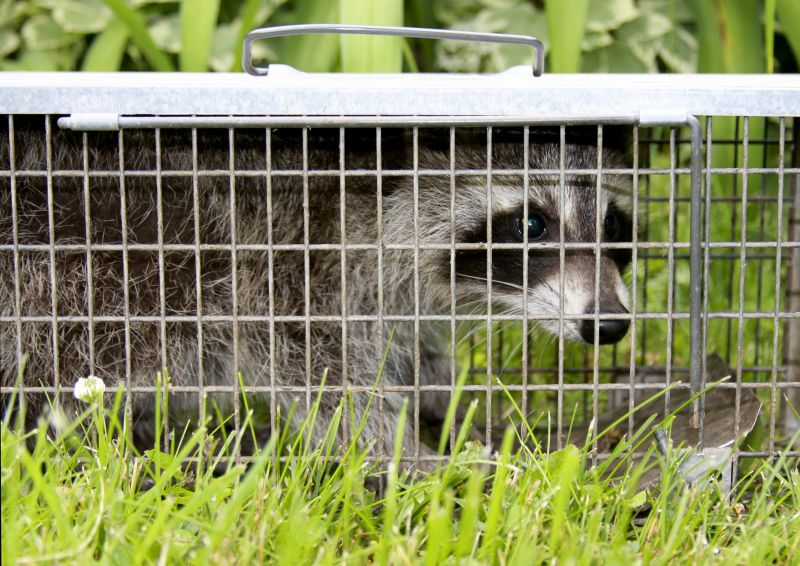
When evaluating wildlife removal service providers, it’s important to consider their experience with similar projects involving wildlife living in or around homes. An experienced local contractor will have a better understanding of the common species in the area and the specific health risks associated with them. This knowledge can help ensure that the removal process is handled safely and effectively, reducing the likelihood of issues such as disease transmission or structural damage. Asking about their previous work with wildlife-related concerns can provide insight into their familiarity with the challenges involved and their ability to address health risks appropriately.
Clear, written expectations are essential when comparing local contractors for wildlife removal services. A reputable provider should be able to outline the scope of work, including inspection, humane removal, and exclusion methods, in a straightforward manner. This transparency helps homeowners understand what services will be performed to mitigate health risks associated with wildlife living in or around their homes. Additionally, detailed written estimates or plans can serve as a reference throughout the project, ensuring that both parties are aligned on the process and outcomes, which minimizes misunderstandings and potential health hazards.
Good communication and reputable references are key factors to consider when selecting local service providers. Contractors who are responsive and willing to answer questions about their experience, methods, and safety procedures demonstrate a commitment to professionalism and transparency. Requesting references or reviews from previous clients can offer valuable insights into the quality of their work and how effectively they address health risks associated with wildlife. A contractor with a solid reputation for clear communication and thorough service can help ensure that concerns about health and safety are prioritized throughout the removal process.
Property owners often search for health risks associated with wildlife living in or around your home when they are planning practical projects around their homes and businesses. Local pros provide Wildlife Removal services for everyday jobs and straightforward project options.
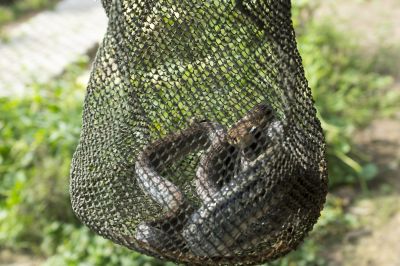
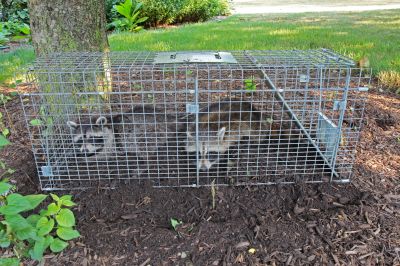
Wildlife living in or around a home can pose several health risks that property owners might overlook during routine inspections or maintenance. Animals such as rodents, bats, raccoons, and birds often carry parasites, bacteria, and diseases that can be transmitted to humans through direct contact, droppings, or contaminated surfaces. For example, rodent droppings and urine can harbor pathogens like hantavirus, which can cause serious respiratory issues. Recognizing signs of wildlife intrusion and understanding the potential health hazards can motivate property owners to seek assistance from local contractors experienced in wildlife removal.
In addition to disease transmission, wildlife presence can lead to structural damage and contamination that further increases health concerns. Droppings and nesting materials can create unsanitary conditions, while animal entry points may allow pests like fleas and mites to enter the home. The accumulation of debris and waste can also attract other pests, compounding health risks. Consulting with local service providers who specialize in humane wildlife removal can help address these issues effectively, reducing health hazards and preventing future wildlife-related problems around the property.
What health risks are associated with wildlife living in or around a home? Wildlife can carry diseases such as rabies, hantavirus, and leptospirosis, which may be transmitted to humans through contact or contamination. Local contractors can help identify and remove wildlife to reduce these health hazards.
How can wildlife in or near a home impact indoor air quality? Animals and their droppings can introduce mold, bacteria, and parasites into the indoor environment, potentially causing respiratory issues. Professional wildlife removal can prevent these health risks by safely removing the animals and their waste.
Are there risks of parasites or pests associated with wildlife in homes? Yes, wildlife often carry parasites like fleas, ticks, and mites, which can infest a home and pose health concerns. Local service providers can eliminate these pests and prevent further infestation.
Can wildlife living in or around a home cause structural damage that affects health? Wildlife can cause damage to roofs, walls, and insulation, leading to mold growth and other issues that impact indoor health. Wildlife removal experts can address the problem and help protect the home's structural integrity.
Why is professional wildlife removal recommended for health concerns? Professionals have the knowledge and tools to safely remove animals and clean contaminated areas, helping to minimize health risks associated with wildlife living in or around a home.
Identify wildlife entry points - property owners can inspect and seal gaps or holes in their home’s exterior to prevent wildlife from entering, reducing health risks associated with wildlife living in or around your home.
Install wildlife-proof barriers - adding barriers such as screens or vents can keep animals out of attics, basements, and crawl spaces, helping to mitigate potential health hazards.
Schedule professional wildlife removal - engaging local contractors for humane removal of animals can minimize contact with pests and reduce exposure to zoonotic diseases.
Maintain clean and secure outdoor areas - removing food sources and debris around the property can discourage wildlife from settling nearby, lowering health risks associated with wildlife living in or around your home.
If you are thinking about health risks associated with wildlife living in or around your home for a property, this guide is meant to help you understand this topic, the typical project types, and how different options might fit your plans.
When you are ready, you can use the quote form on this page to share a few details about your project. From there, local pros can review the basics and follow up with options that match what you have in mind.