How Wildlife Can Damage Roofs, Attics, and Insulation
People searching for wildlife removal are usually trying to prevent animals from damaging roofs, attics, and insulation, and local service providers can safely handle the removal and repairs.
If you’ve been wondering how wildlife can damage roofs, attics, and insulation, you’re in the right place. Property owners in the area often face issues caused by animals such as raccoons, squirrels, and birds that seek shelter in the upper parts of buildings. These creatures can cause significant damage by tearing through roofing materials, gnawing on wiring, or nesting in insulation, which can lead to costly repairs if left unchecked. Understanding the risks and early signs of wildlife intrusion can help protect your home’s structure and prevent more serious problems down the line.
For those dealing with wildlife-related damage, connecting with experienced local contractors who specialize in wildlife removal can be a practical step. These professionals are equipped to handle the removal process safely and effectively, addressing the root cause of the problem to help prevent future invasions. By exploring this topic, property owners can gain valuable insights into how wildlife impacts their homes and discover the benefits of working with local experts who can help restore safety and integrity to their roofs, attics, and insulation.
- Bird infestations - when birds nest in roofs or attics, local contractors can remove the birds and repair any damage caused to insulation and roofing materials.
- Squirrel entry points - squirrels often find ways into attics, leading to chewed wiring and insulation contamination, with local service providers sealing entry points and removing pests.
- Raccoon damage - raccoons may tear apart roofing and insulation while seeking shelter, and local pros can safely remove raccoons and restore affected areas.
- Bat colonies - bats roosting in roofs or attics can cause damage and health concerns, with local contractors safely excluding bats and repairing entry sites.
- Rodent activity - rodents nesting in insulation or chewing through roofing materials can lead to structural issues, and local service providers can eliminate infestations and restore the property.
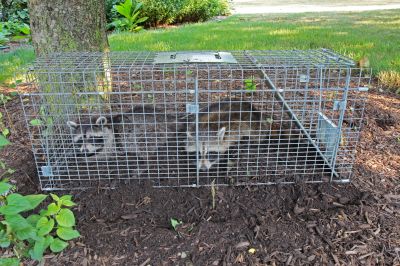
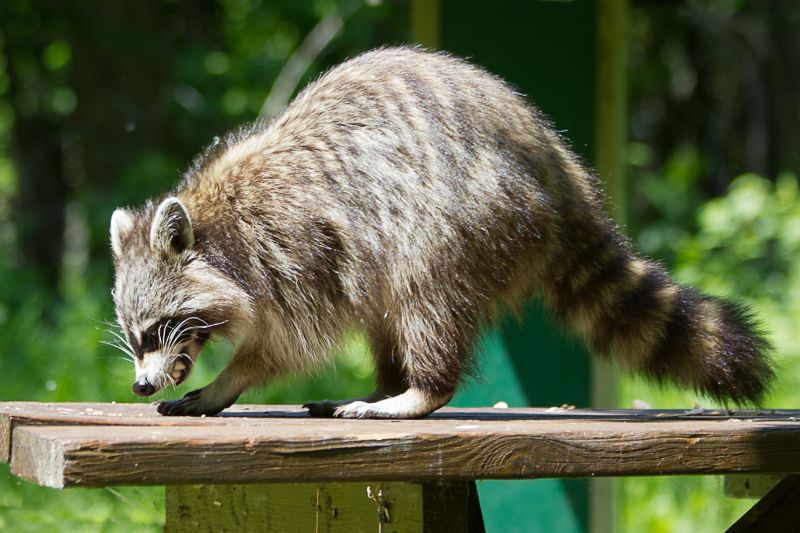
When homeowners search for information on how wildlife can damage roofs, attics, and insulation, they are often concerned about the potential for animals to cause structural issues or create health hazards in their homes. These searches typically relate to problems like animals gaining entry through roof vents, chimneys, or gaps in the eaves, and then nesting or burrowing inside. Such activity can lead to physical damage to roofing materials, compromised attic structures, and contaminated insulation. Many property owners want to understand the signs of wildlife intrusion and how to prevent or address these issues before they escalate into costly repairs or health concerns.
The problems associated with wildlife damage often involve a range of pests, including raccoons, squirrels, bats, birds, and even small rodents. These animals are attracted to warm, sheltered spaces like attics and roof cavities, especially if there are existing entry points or vulnerabilities. Once inside, they may chew through wiring, insulation, or wooden framing, creating holes and weakening the roof structure. Their nesting habits can also lead to clogged vents or damage to insulation, reducing the energy efficiency of the property. Homeowners may also face issues related to animal droppings, which can cause unpleasant odors and pose health risks if not properly managed.
Properties most commonly affected by wildlife damage tend to be older homes or buildings with less maintenance, as these often have more gaps or damaged roofing materials. Rural properties, barns, and outbuildings are also vulnerable due to their proximity to wildlife habitats. However, urban and suburban homes are not immune, especially if they have trees close to the roofline or poorly sealed entry points. When wildlife damage occurs, it usually requires a combination of repairs-such as sealing entry points, removing animals, and restoring damaged insulation or roofing materials. Local service providers specializing in wildlife removal and property repair can help address these issues effectively.
Understanding how wildlife can damage roofs, attics, and insulation helps homeowners recognize the importance of timely intervention. When signs of animal intrusion are noticed-such as strange noises, droppings, or visible damage-it’s advisable to seek assistance from experienced local pros. These specialists can assess the extent of the damage, safely remove any animals, and implement measures to prevent future problems. Proper exclusion and repair work not only protect the structural integrity of the property but also help maintain a clean, safe living environment. Connecting with local contractors ensures that the problem is handled efficiently and professionally, reducing the risk of recurring wildlife-related damage.
Attic Insulation Replacement - Professionals who handle insulation replacement often address damage caused by wildlife entering attics, ensuring proper sealing and insulation integrity.
Roof Repair and Replacement - Roofing contractors frequently manage repairs resulting from wildlife damage, such as holes or chewed shingles, to prevent further intrusion.
Gutter and Vent Maintenance - Service providers specializing in gutter and vent cleaning often deal with wildlife nesting or blockage issues that can lead to roof and attic damage.
Pest and Wildlife Proofing - Experts in sealing entry points and installing barriers help protect structures from wildlife causing damage to roofs and attics.
Attic Cleanup and Restoration - Restoration specialists often work on removing debris and repairing damage caused by wildlife intrusions in attics and insulation.
Structural Damage Inspection - Inspectors assess how wildlife has compromised roof structures and recommend repairs, working alongside wildlife removal specialists.
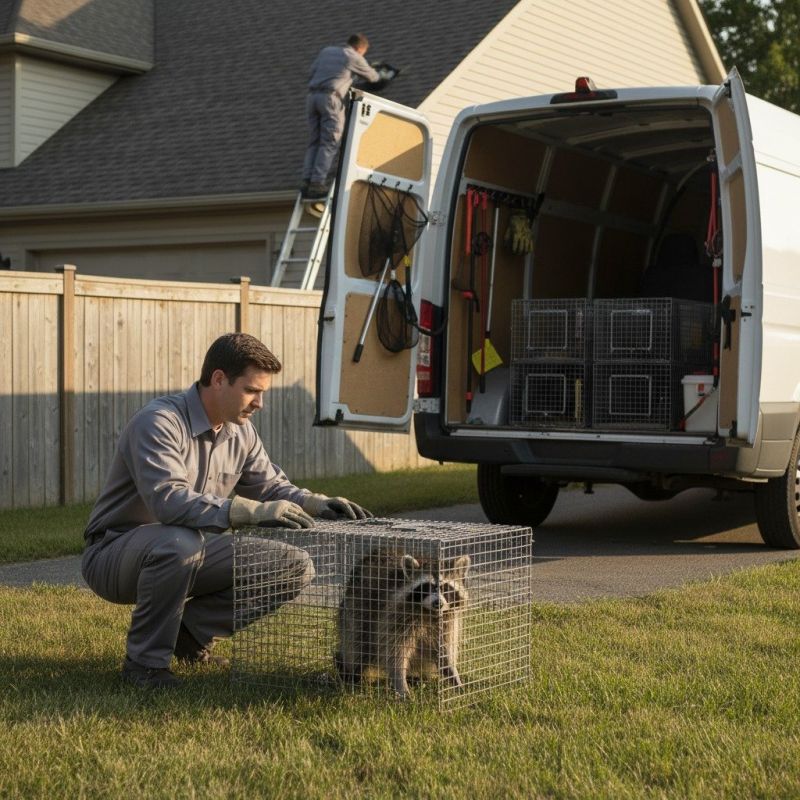
When evaluating local contractors for wildlife removal services related to damage caused by wildlife in roofs, attics, and insulation, it is important to consider their experience with similar projects. Homeowners should inquire about the types of wildlife they have handled and the scope of past work, ensuring that the service providers are familiar with the specific challenges associated with wildlife damage. A contractor's history of successfully managing projects involving attic invasions, roof breaches, or insulation contamination can provide confidence that they understand the complexities involved and can address the problem effectively.
Clear written expectations are essential when comparing service providers. Homeowners should seek detailed descriptions of the services offered, including inspection procedures, wildlife removal methods, and post-removal cleanup or repairs. Having a transparent outline of what to expect helps prevent misunderstandings and ensures that the contractor’s approach aligns with the homeowner’s needs. Well-defined expectations also make it easier to evaluate whether a service provider’s offerings are comprehensive and tailored to addressing how wildlife can damage roofs, attics, and insulation.
Reputable references and good communication practices are key factors in choosing the right wildlife removal service provider. Homeowners are encouraged to ask for references or reviews from previous clients who faced similar wildlife-related issues. This feedback can reveal the contractor’s level of professionalism, reliability, and effectiveness in resolving wildlife damage. Additionally, service providers who maintain open, clear communication-such as promptly answering questions or providing detailed explanations-are more likely to deliver a smooth and satisfactory experience. These qualities help ensure that the homeowner feels confident throughout the process and that the wildlife can be effectively managed to prevent further damage.
Property owners often search for how wildlife can damage roofs, attics, and insulation when they are planning practical projects around their homes and businesses. Local pros provide Wildlife Removal services for everyday jobs and straightforward project options.
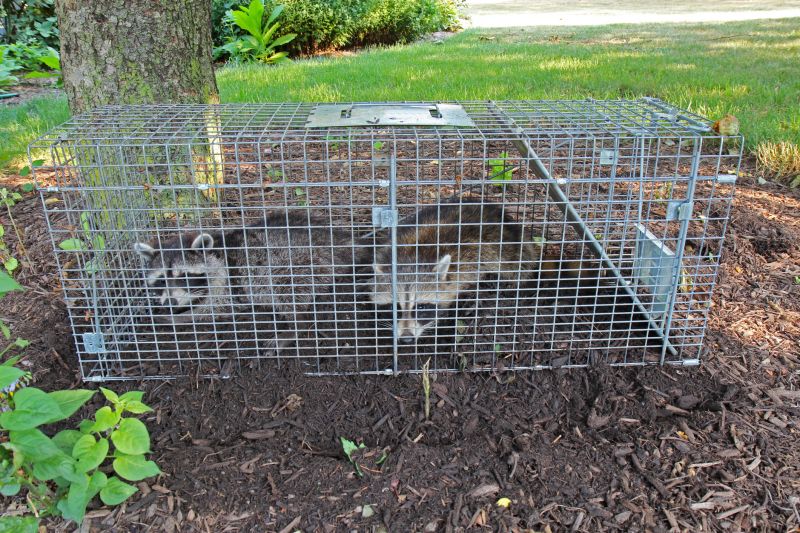
Wildlife can cause significant damage to roofs, attics, and insulation, especially when animals like raccoons, squirrels, or birds find their way into a property. Common issues include gnawed wiring, torn insulation, and damaged roofing materials, which can lead to leaks or structural problems over time. Property owners often notice signs such as unusual noises, droppings, or foul odors, prompting them to explore how wildlife can damage their homes and when to seek professional wildlife removal services.
In many cases, wildlife intrusion is driven by the search for shelter or food, making attics and roof spaces attractive nesting spots. When animals access these areas, they can create entry points or enlarge existing openings, making future invasions easier. Local contractors who specialize in wildlife removal can help identify how wildlife can damage roofs, attics, and insulation, and provide effective solutions to remove animals and prevent further damage. Engaging experienced service providers ensures that wildlife issues are addressed safely and thoroughly.
How can wildlife damage roofs and attics? Wildlife such as raccoons, squirrels, and birds can create holes in roofs and entry points into attics, leading to structural damage and exposure to the elements.
What types of damage does insulation experience from wildlife? Wildlife can tear or displace insulation, reducing its effectiveness and allowing moisture and pests to penetrate the attic space.
Why is wildlife removal important for protecting roof and attic integrity? Removing wildlife prevents further damage, stops pests from nesting, and helps maintain the home's overall structural health.
How do local contractors handle wildlife-related damage? They inspect the affected areas, safely remove wildlife, and repair damage to prevent future intrusions and protect the roof, attic, and insulation.
Can wildlife damage lead to health risks inside the home? Yes, wildlife can carry diseases and leave droppings that may cause health hazards if not properly removed and cleaned by professionals.
Identify wildlife entry points - inspecting roofs and attics can reveal gaps or holes that wildlife may use to gain access, allowing local contractors to seal them effectively.
Assess insulation damage - evaluating how wildlife can damage insulation helps determine if removal and replacement are necessary, with local service providers offering expert solutions.
Install wildlife deterrents - adding barriers or repellents can prevent animals from nesting in attics, with local pros guiding property owners on effective methods.
Schedule regular inspections - routine checks can catch early signs of wildlife activity, enabling prompt intervention by local wildlife removal specialists.
If you are thinking about how wildlife can damage roofs, attics, and insulation for a property, this guide is meant to help you understand this topic, the typical project types, and how different options might fit your plans.
When you are ready, you can use the quote form on this page to share a few details about your project. From there, local pros can review the basics and follow up with options that match what you have in mind.